Your People Are Your Platform: How Indie Comic Creators Are Building Distribution Networks That Beat the Algorithm

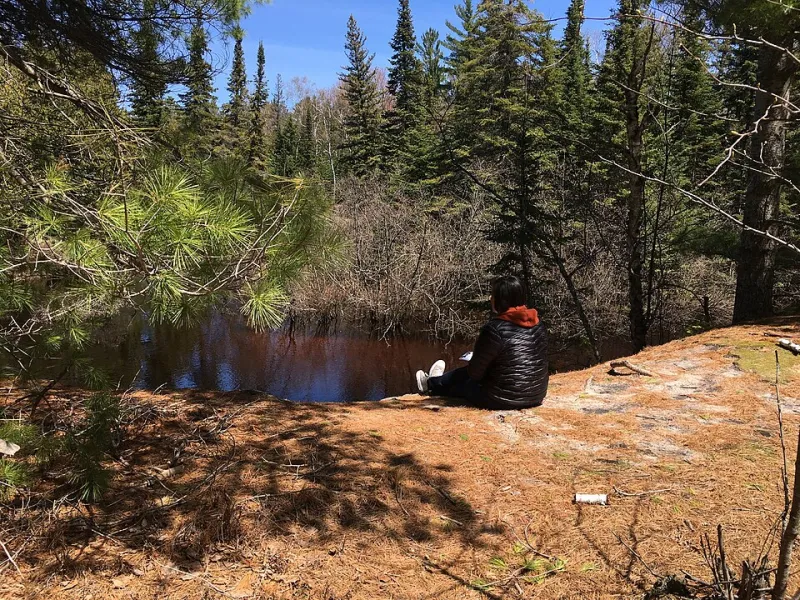
Photo: Holger Krisp, CC BY 3.0, via Wikimedia Commons
Forget the algorithm for a second. Seriously — just set it aside.
Because while a lot of indie comic creators are spending enormous energy trying to crack whatever TikTok or Instagram is doing this month, a quieter and more durable revolution is happening in Discord servers, Patreon back channels, local bookstores, and neighborhood reading groups. And the creators leading that revolution are, in many cases, outperforming peers with ten times their follower count.
The thesis is simple but it takes real work to execute: a community of people who genuinely care about your work is worth more than any platform that merely shows your work to people who might not.
The Difference Between a Following and a Community
This distinction matters more than it might seem.
A social media following is passive. It's a number. People opted in at some point — maybe they liked a single post, maybe they followed during a viral moment — but their ongoing relationship with your work is mediated entirely by an algorithm you don't control. When the algorithm changes, your reach changes. When engagement dips, your visibility dips. You're renting space in someone else's ecosystem.
A community is something different. It's a group of people who have chosen to be in active relationship with your work and with each other. They talk about your stories when you're not in the room. They recommend your comics to friends without being prompted. They show up for launches not because an algorithm surfaced a post, but because they're genuinely invested in what you're building.
The difference in behavior is stark. Community members buy things. Following members scroll past things.
Discord as Infrastructure
Discord has become the tool of choice for a lot of indie creators building these communities, and it's worth understanding why it works so well for this specific purpose.
Unlike social media, Discord is opt-in and intentional. Nobody stumbles into a Discord server. Every member made a deliberate choice to be there. That self-selection means the baseline engagement level is dramatically higher than on any public-facing platform.
Creators who've built active Discord communities describe them as functioning like a living, breathing street team. Readers share panels, discuss theories, post fan art, and — critically — tell their friends. When a new issue drops or a Kickstarter launches, the community activates before any promotional post goes live. The announcement hits a room full of people who already care.
The structural advantages don't stop there. Discord allows for tiered access — channels that are only available to Patreon supporters, for example, or spaces reserved for early readers who provide feedback before public release. That tiering creates a sense of genuine investment. Readers who get access to behind-the-scenes content or early previews feel like collaborators rather than consumers.
Patreon as Distribution, Not Just Support
Most creators who use Patreon think of it primarily as a tip jar — a way for readers to support work they love. And it is that. But the most sophisticated indie creators are treating their Patreon infrastructure as something closer to a direct distribution channel.
Monthly PDF releases. Exclusive short stories. Early access to chapters before public release. Print editions mailed directly to supporters. These aren't just perks — they're a parallel publishing pipeline that exists entirely outside traditional retail channels.
The economics are genuinely different from retail. When a book sells through a comic shop, the creator typically sees somewhere between 40 and 60 percent of the cover price after distributor and retailer cuts. A Patreon supporter who pays $10 a month delivers that revenue directly, with only Patreon's platform fee removed. The creator-to-reader financial relationship is radically more efficient.
More importantly, Patreon supporters have explicitly committed to ongoing support. They're not one-time buyers who might return. They're a reliable revenue base that a creator can actually build a business around.
Creators who've reached even modest Patreon milestones — 200 or 300 patrons — describe the psychological shift as transformative. You stop making decisions based on whether a single launch will perform. You start making decisions based on what serves your sustained readership. That's a fundamentally healthier creative environment.
Local Networks: The Underrated Engine
Here's something that gets lost in conversations dominated by digital strategy: local communities still move books. Significantly.
Independent bookstores, library reading groups, local comic shops with active community programming, college campus organizations — these are distribution nodes that reward relationship-building in ways that national platforms don't. A creator who has a genuine relationship with three or four indie bookstores in their region can move hundreds of copies through those channels on a sustained basis.
Some creators have gone further, partnering with local book clubs specifically focused on graphic novels and illustrated fiction. These groups are actively looking for material, they're composed of engaged readers, and they generate exactly the kind of word-of-mouth that drives discovery. A book club that chooses your comic as their monthly read isn't just buying copies — they're creating a conversation about your work that extends well beyond the group itself.
The investment required is real. It means showing up, building relationships, doing events, being present in physical spaces. But the return — in terms of both sales and the depth of community connection — is qualitatively different from what any digital campaign can produce.
The Structural Advantage Nobody Talks About
There's a resilience to community-based distribution that passive social media strategies simply can't replicate.
When Instagram changes its algorithm, a creator with 50,000 followers might see their reach cut in half overnight. A creator with an active Discord community and a healthy Patreon base loses nothing. Their distribution infrastructure is theirs. It doesn't depend on a platform's business decisions.
This is the quiet long game that the most strategically sophisticated indie creators are playing. They're not trying to maximize their follower count. They're trying to build something that can't be taken away — a network of people who are genuinely connected to their work and to each other.
That network, once built, compounds. Members bring in new members. Communities develop their own culture and identity. Readers who feel like part of something become advocates who recruit for you without being asked.
No publisher can offer that. No algorithm can manufacture it. It has to be grown, relationship by relationship, story by story.
The creators who are doing it right aren't just building audiences. They're building something that looks a lot more like a movement.