What Makes You Turn the Page: The Real Science Behind Indie Comics You Can't Put Down
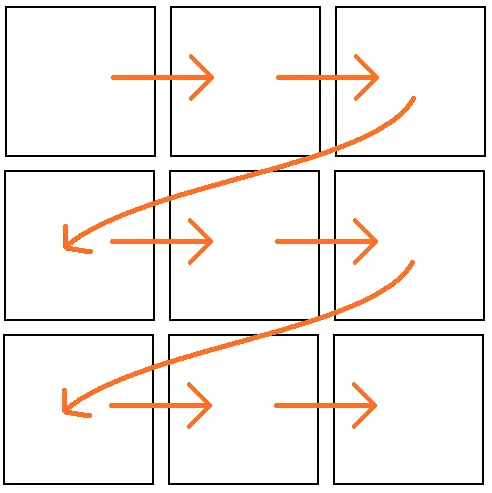
Photo: Maplestrip, CC0, via Wikimedia Commons
You've been there. It's 1 a.m. on a Tuesday, you've got work in six hours, and you're physically incapable of closing a comic you picked up at a convention three days ago. Then there's the other stack — the one with beautiful covers, promising premises, and zero pull. You want to love them. You just... don't finish them.
The gap between those two experiences isn't about talent or budget. It's about mechanics. Specifically, the narrative and visual mechanics that create genuine forward momentum — the kind that makes reading feel less like a choice and more like a compulsion.
Pacing Is a Physical Thing
Here's something a lot of new indie creators don't fully internalize: pacing in comics isn't just about story beats. It's about the physical rhythm of turning pages. The size of your panels, the density of your dialogue, the ratio of action to quiet — all of it dictates how fast a reader's body moves through your work.
When panels are cramped with text and detail, readers slow down. Sometimes that's intentional and powerful. But when every single page demands that kind of attention, fatigue sets in fast. The indie titles that keep readers locked in tend to alternate between dense, layered moments and wide, breathing panels that let the eye sprint across the page.
Think of it like music. You need dynamics — loud and soft, fast and slow — or everything blurs into noise.
Creators who've figured this out talk about it in surprisingly physical terms. "I think about the reader's hands," said one indie creator at a recent small press expo. "Where do I want them to pause? Where do I want them to move so fast they're basically running? I'm choreographing a physical experience, not just telling a story."
The Cliffhanger Isn't Cheap — When You Earn It
Cliffhangers have a bad reputation in some corners of the indie world because they feel like manipulation. And cheap ones are. But a well-earned cliffhanger — one that grows organically from character and situation — is one of the most powerful tools a creator has.
The key word is earned. A cliffhanger that works isn't just a sudden revelation dropped at the bottom of a page. It's the result of the reader being so invested in a character that uncertainty about their fate becomes genuinely unbearable. That investment has to be built across dozens of pages before the cliffhanger lands with any real weight.
The indie titles that struggle with this often have the cliffhangers in the right structural positions but haven't done the emotional groundwork. The reveal happens, and the reader thinks "huh" instead of "oh no." That "oh no" is everything. It's the difference between a reader who sets the book down and one who physically cannot.
Character Arcs That Feel Like They're Going Somewhere
Readers don't consciously think about character arcs while they're reading. But they feel it when one is working — and they feel it even harder when one isn't.
A character arc creates a kind of narrative tension that operates in the background of every scene. Even during quiet, low-stakes moments, the reader is carrying a question: Is this character going to become who they need to become? That question pulls them forward through pages that might otherwise feel like filler.
The indie comics that live on shelves unfinished often have protagonists who feel static — not necessarily because nothing happens to them, but because what happens to them doesn't seem to be building toward any internal change. Events occur. The character reacts. But there's no sense of accumulation, no feeling that something irreversible is shifting underneath the plot.
Contrast that with the comics people press into their friends' hands. Those stories have characters who feel like they're in the middle of becoming something. Readers need to know what that something is.
Panel Composition as Emotional Direction
This is where a lot of craft conversations get really interesting — and where indie creators who are deeply intentional about their work start to separate themselves.
Panel composition isn't just aesthetic. It's directional. Where you place a character within a panel, how much negative space surrounds them, whether you cut tight or pull wide — all of it tells the reader how to feel before a single word is processed.
A character isolated in a vast, empty panel communicates loneliness or dread without any caption. A tight close-up on hands rather than a face creates intimacy and focus. An unconventional panel break — cutting mid-action, or holding on a reaction longer than expected — can create discomfort, humor, or suspense depending on context.
The indie creators building real audiences have internalized this so deeply that they make these decisions almost instinctively. But when you talk to them about specific pages, they can articulate exactly why they made each choice. Nothing is accidental. The reader feels guided, even if they don't know it.
The Midpoint Problem
Here's a structural issue that kills more indie comics than almost anything else: the midpoint collapse.
A lot of indie titles start strong. The premise is compelling, the first issue crackles, the characters are introduced with real energy. Then, somewhere around the halfway point of a story arc, things go slack. The plot treads water. Characters have conversations that don't advance anything. The visual energy drops.
Readers feel this even if they can't name it. They start taking longer breaks between reading sessions. Then they stop entirely.
The fix isn't complicated, but it requires planning. Your midpoint needs to be a genuine escalation — not necessarily a big action sequence, but a moment that makes the stakes feel more real and the outcome more uncertain than they did at the start. Something has to change at the midpoint that makes the second half feel necessary.
The indie creators who've cracked this tend to plan their endings before they plan their midpoints. When you know where you're going, you can design the exact moment that makes the destination feel inevitable and urgent.
Why This Matters for Indie Comics Specifically
Big publishers have marketing budgets to compensate for pacing problems. They can push a slow-burning title through sheer distribution muscle and brand recognition. Indie creators don't have that cushion.
For independent work, the story itself has to do the marketing. A reader who gets pulled through your comic in one sitting is going to tell someone about it. They're going to post about it. They're going to buy the next one. Word of mouth is still the most powerful distribution system indie creators have access to — and it's almost entirely powered by the experience of reading the work.
The mechanics of momentum aren't just craft concerns. They're business strategy. Every page-turn you earn is a reader you're keeping. Every midpoint you nail is a recommendation waiting to happen.
The comics that sit on shelves usually have something worth finding inside them. They just didn't give readers enough reason to look.