Five Dollars, One Shot: How the Humble Single Issue Became the Indie Scene's Best Sales Tool
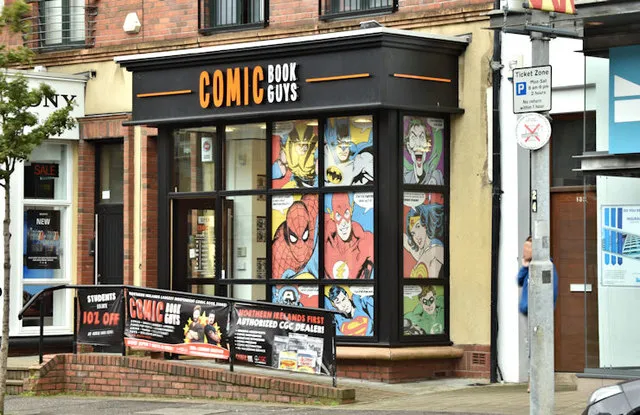
Photo: Albert Bridge , CC BY-SA 2.0, via Wikimedia Commons
Stand at the counter of any decent comic shop in America — say, the kind with a longbox graveyard in the back and a cat sleeping on the pull list file — and watch what happens when someone gets to the register. The $24 hardcover goes back on the shelf. The $5 comic goes in the bag.
That transaction, repeated thousands of times a day across the country, is the most under-discussed story in independent comics right now.
The Five-Dollar Battlefield
Here's the uncomfortable truth indie publishers have woken up to: your comic is not competing with other comics. It's competing with everything else that costs a fin. A month of a streaming service. A booster pack of trading cards. Lunch. The modern entertainment dollar gets carved into slices, and the five-dollar slice is the most hotly contested of all.
For years, the industry's answer was to go upmarket — bigger formats, heavier paper, $29.99 prestige editions. That works for established properties. For an unknown creator with no IP and no fanbase, it's a toll booth with no road behind it.
So a growing wave of indie publishers has gone the other direction: tight, complete, 32-page stories priced like a value meal. The pitch writes itself at the counter. You might hate it. It cost you five bucks. But you'll know by the last page.
The Psychology of the Counter
Impulse purchases at comic shops follow a different logic than online shopping. Online, buyers research, compare, read reviews. At the register, the decision happens in roughly four seconds, influenced by three things: a cover that pops, a price that doesn't require mental math, and a clerk who says "this one's actually really good."
The single-issue one-shot is engineered for all three. There's no trade-waiting anxiety, no commitment to a six-issue arc that might get cancelled at issue four. It's a complete emotional transaction — beginning, middle, end — for less than the cost of a fancy coffee. In behavioral economics terms, it's priced below the pain threshold. In comics terms, it's priced like it's 1998.
Three Creators Who Cracked the Code
Maya Okafor self-published Sundown Station, a 28-page sci-fi western about a train conductor who ferries souls across a dying desert. She printed 500 copies, priced at $5, and sold out at two regional cons. Her Diamond-ordered follow-up series debuted with first-month orders triple her print run. Her secret? "Every issue ends on a feeling, not a cliffhanger. People don't regret impulse buys that made them feel something. They come back for more of that feeling."
Dex Ramirez took the opposite route: he priced his one-shot Low Tide Luchador at $4 and ate the margin. "I wanted it to be an easy yes," he says. Retailers noticed — several shops bought deep because it was an easy hand-sell to walk-ins and parents. The series that followed now anchors his income. "The cheap first issue wasn't a discount. It was an audition."
The team behind Static Bloom, a two-creator studio in Portland, treated their one-shot like a product demo. Each copy included a QR code and a handwritten-style note: "If this didn't stink, the next chapter exists." Their conversion to paid subscribers for the ongoing series sat north of 20% — numbers most webcomics would kill for.
What Publishers Should Take From This
The lesson isn't "make everything cheap." It's that the single issue has been abandoned as a discovery tool by an industry obsessed with the trade paperback, and that abandonment left a vacuum. The five-dollar one-shot is the indie scene's value menu: low risk, high satisfaction, and a surprisingly effective funnel into everything else a creator sells.
Streaming didn't kill the impulse buy. It trained audiences to expect instant, complete experiences at pocket-change prices. The indie creators thriving right now aren't fighting that expectation. They're pricing into it — and winning the register, one five-dollar bill at a time.