Ink, Live, Unedited: The Creators Streaming Their Way to Sold-Out Print Runs
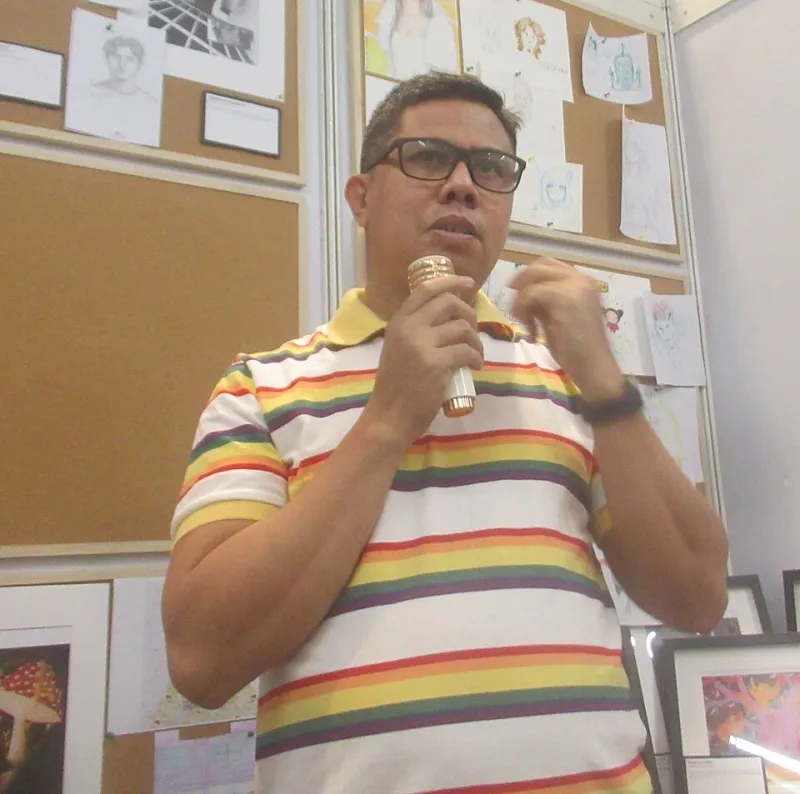
Photo: P1898, CC BY 4.0, via Wikimedia Commons
Every crowdfunding guide will tell you the same thing: build your audience before you launch. Almost none of them tell you what that actually looks like, day to day, when your audience is forty-three people and your launch is eight months out. The creators below figured it out, and their answer is almost embarrassingly simple: they let people watch them work.
The Case Studies
Corinne Vasquez — Hollow Season
Corinne streams her inking sessions three nights a week on Twitch, chat open, music off so she can talk. Nothing about the production is slick. She smudges panels. She redraws faces live and narrates her own self-doubt. When she launched the crowdfunding campaign for her Appalachian folk-horror graphic novel, 68% of first-day backers were chat regulars — people who had watched her fix the same hand seventeen times over six months. "By launch day," she told me, "they weren't backers. They were witnesses."
Theo and Bram Okafor — Twin Pencil Studios
These brothers run a hybrid model: Theo pencils on stream while Bram handles the business side off-camera. Their weekly schedule is fixed and boring on purpose — Tuesday thumbnails, Friday inks, Sunday "mistake reel" where they review the week's worst drawings. Their first preorder campaign for the ongoing series Static Bloom (no relation to the Portland studio mentioned elsewhere on this site — indie naming collisions are real) hit its goal in 40 hours, almost entirely off a channel with under 2,000 followers. Small channel, high trust.
June Park — Seoul Machine
June's innovation isn't the stream, it's the archive. Every session gets clipped into short vertical videos — a single panel going from rough to finished, no talking, just the ink. Those clips do the discovery work on TikTok and Instagram; the live streams do the conversion work. Her preorders for volume one covered her print quote before the campaign's first weekend ended.
Why Watching Works
There's a well-worn idea in marketing that transparency builds trust, but livestreamed art does something stranger than that. Watching someone draw for weeks creates what psychologists call an effort justification — you've seen how hard this is, so the finished object means more to you. A $30 graphic novel drawn in front of you over four months doesn't feel like a product. It feels like something you were present for.
It also solves the discoverability problem in reverse. Most creators try to attract an audience with finished work, then wonder why nobody cares about the process. The stream-first creators flip it: the process is the content, and the comic is the payoff everyone stuck around for.
The Playbook
If you want to try this without it turning into a second job or a sleazy hustle, here's the distilled version of what these three have in common:
- Fix your schedule, not your production value. Same days, same times, every week. Reliability beats quality here — people build their evenings around a routine.
- Never pitch during the work. Corinne's rule: no campaign talk until the countdown starts. The stream is the friendship; the preorder is the favor you ask later, once.
- Show the failures on purpose. The mistake reel is consistently the highest-engagement content for all three. Perfection is content-free. Watching someone recover from a botched panel is a story.
- Clip everything. The long stream builds loyalty; the 30-second clips build reach. You need both funnels running.
- Give witnesses the early access. Stream regulars got first pick of limited tiers in all three campaigns. They earned it in hours of watch time, and it shows future backers that loyalty gets rewarded.
The Honest Sell
What makes this model feel different from content-marketing hustle is the direction of the transaction. Hustling extracts attention and converts it to cash. Streaming your process gives something away — hundreds of hours of craft education, entertainment, and company — and lets people decide, on their own, that they'd like to own the thing it produced.
The comic at the end is almost a formality. The audience was sold the moment they watched you fix the same hand seventeen times — and stayed.