Tables, Tents, and True Believers: How Indie Comic Creators Are Owning the Con Floor
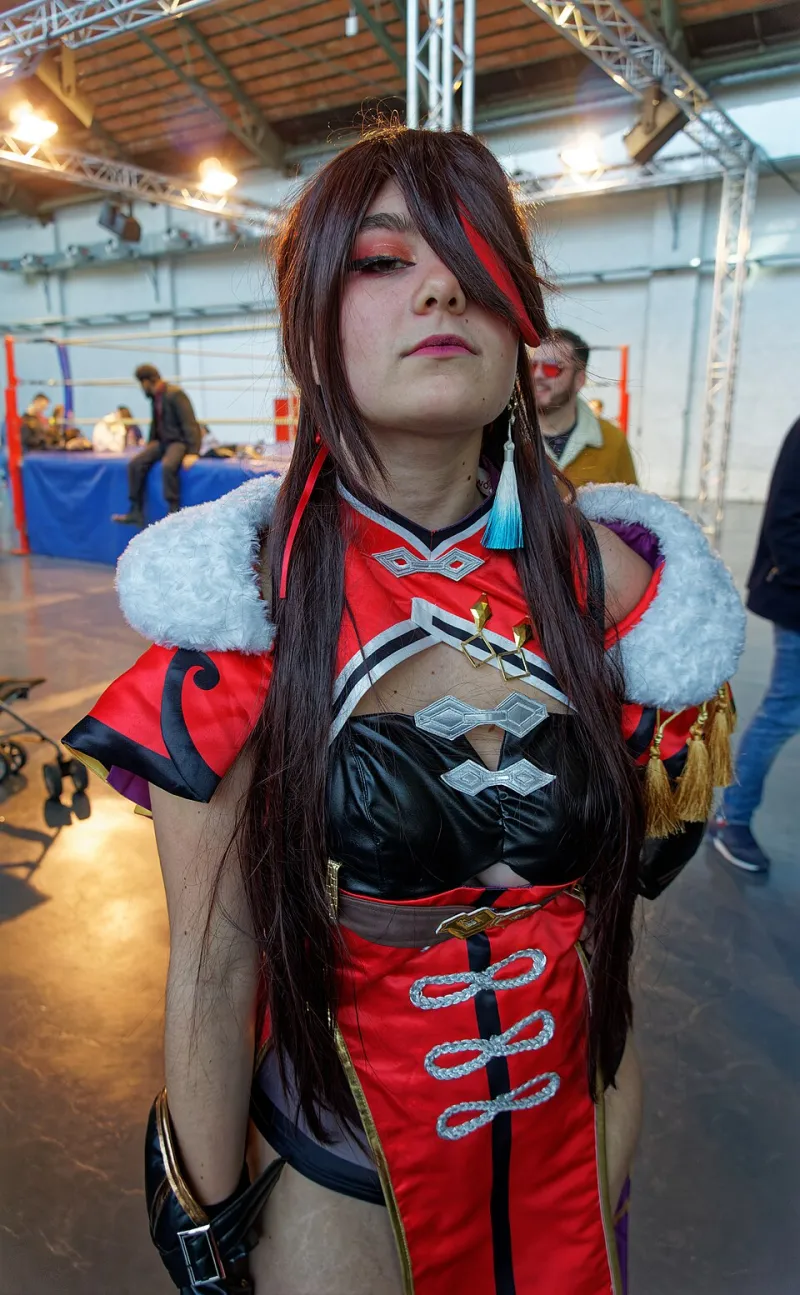
Photo: Miguel Discart, CC BY-SA 2.0, via Wikimedia Commons
The Convention Floor Is the New Slush Pile
For decades, the dream went something like this: finish your comic, pitch it to a publisher, land a deal, and then maybe get a table at San Diego Comic-Con with a banner behind you and a line in front of you. That pipeline? A lot of indie creators have quietly set it on fire.
Walk the artist alley at any mid-to-large comic convention in the US right now — C2E2 in Chicago, Emerald City Comic Con in Seattle, Baltimore Comic-Con, WonderCon — and you'll find independent creators doing something publishers told them they couldn't do without backing: connecting directly with readers, moving serious units, and building fanbases that are genuinely theirs. No gatekeepers required.
"The first year I tabled, I made back my costs and then some," says Dara Osei, the Ohio-based creator behind the Afrofuturist graphic novel series Hollow Sky. "But more than the money, I met people who were hungry for exactly what I was making. That doesn't happen when you're waiting on a publisher to decide your story is marketable enough."
That hunger is real — and indie creators are learning how to feed it face-to-face.
Strategy Over Spontaneity
Showing up to a con with a box of comics and a folding table is not a strategy. The creators who are consistently winning on the festival circuit will tell you that the work starts months before the event.
Marisol Vega, creator of the queer Latinx supernatural thriller Curandera, has tabled at over 30 events across Texas, California, and New York in the past three years. She treats each convention like a small business launch.
"I research the demographic of each con before I even apply for a table," she explains. "A horror-focused con versus a general pop culture expo versus an anime festival — those are completely different audiences. I adjust my pitch, my display, even which books I lead with depending on where I am."
Her booth setup reflects the same intentionality. Vertical banner art at eye level. A clear visual hierarchy so passersby understand the genre and tone in about two seconds. A small "try before you buy" stack of free preview pages. And a QR code linking to her newsletter, because the goal isn't just a sale — it's a relationship.
"The table is the first impression," Marisol says. "It needs to do a lot of heavy lifting before I even open my mouth."
The Pitch Is a Skill (and It's Learnable)
One of the biggest mental hurdles for debut con creators is the pitch — that thirty-second verbal hook you deliver to a stranger who's walking by your table with a pretzel in one hand and a limited-edition variant cover in the other.
Dara has refined his to a near science. "I lead with the feeling, not the plot," he says. "I don't say 'it's a sci-fi story about a space station.' I say 'it's for people who love Black Panther but wanted it to go darker and weirder.' That lands every time."
The comparison pitch — anchoring your work to something the reader already loves — is a technique a lot of successful indie creators swear by. It's not dumbing down your vision. It's translating it into a language a stranger can immediately receive.
Jamison Park, who creates the Korean-American superhero anthology Neon Fist, adds another layer: reading body language. "You can tell in about three seconds whether someone stopped because they're curious or just politely waiting for their friend. I don't chase the polite stoppers. I focus energy on the curious ones and make that conversation count."
Cons as Community, Not Just Commerce
The revenue matters — and let's not pretend it doesn't, because indie creators are funding their own printing, shipping, and travel out of pocket. But the creators thriving on the circuit consistently describe something that goes beyond transactions.
"I've built an actual community through conventions," says Jamison. "There are readers who've followed me from con to con across three states. They bring their friends. They cosplay my characters. That's not something an algorithm can manufacture."
This in-person loyalty has a compounding effect. Convention readers tend to become newsletter subscribers, social media followers, and eventually Kickstarter backers. The con table is often the entry point into a creator's full ecosystem — and it's one of the few spaces where that relationship starts with a real human moment instead of a scroll.
Marisol has also found that conventions are invaluable for peer networking. "I've gotten printing vendor recommendations, collab opportunities, and honest feedback about my work from other creators I met at tables next to mine. That community is priceless. You're not competing with each other — you're building something together."
The Money Math (and Why It Works)
Let's talk numbers, because the economics of convention tabling are actually more favorable than many first-timers expect — if you plan right.
Table fees at smaller regional cons can run anywhere from $75 to $300. Mid-tier events like fan expos in major metros might push $400 to $600. The big nationals can run higher, but many have dedicated artist alley rates that are more accessible than exhibitor hall booths.
Dara's rule of thumb: "You need to be able to cover your table cost in the first two hours. If your pricing and product mix can't do that, you need to rethink before you spend on travel and hotel."
Bundling is a key tactic. Selling a single issue for $10 is fine, but offering a bundle — three issues for $25, or a signed print with a purchase — dramatically increases average transaction value. Exclusive con variants, even something as simple as a hand-numbered cover, create urgency and perceived scarcity that moves product.
"I always have a con-exclusive item," Marisol says. "Even if it's just a small art print I only sell at events. People love knowing they got something they can't order online."
Building the Circuit, One Con at a Time
None of this happens overnight. The creators who've turned the festival circuit into a genuine sales and community channel typically spent a year or two figuring out their approach — testing booth layouts, refining pitches, learning which events were worth the investment and which weren't.
But the through-line is consistent: they didn't wait for permission. They applied for tables, showed up, learned in real time, and kept going.
For indie creators wondering whether the con circuit is worth the hustle, the answer from everyone who's put in the work seems to be the same: there is no faster way to understand who your reader actually is than to stand in front of them and watch their face when they pick up your book.
That feedback loop — immediate, human, and completely unfiltered — is something no publisher, algorithm, or platform can replicate. And for creators building something that's genuinely theirs, that might be the most valuable thing the convention floor has to offer.