Dead Ends and Unfinished Panels: The Real Reason Indie Comics Go Silent — and How Some Creators Beat the Odds
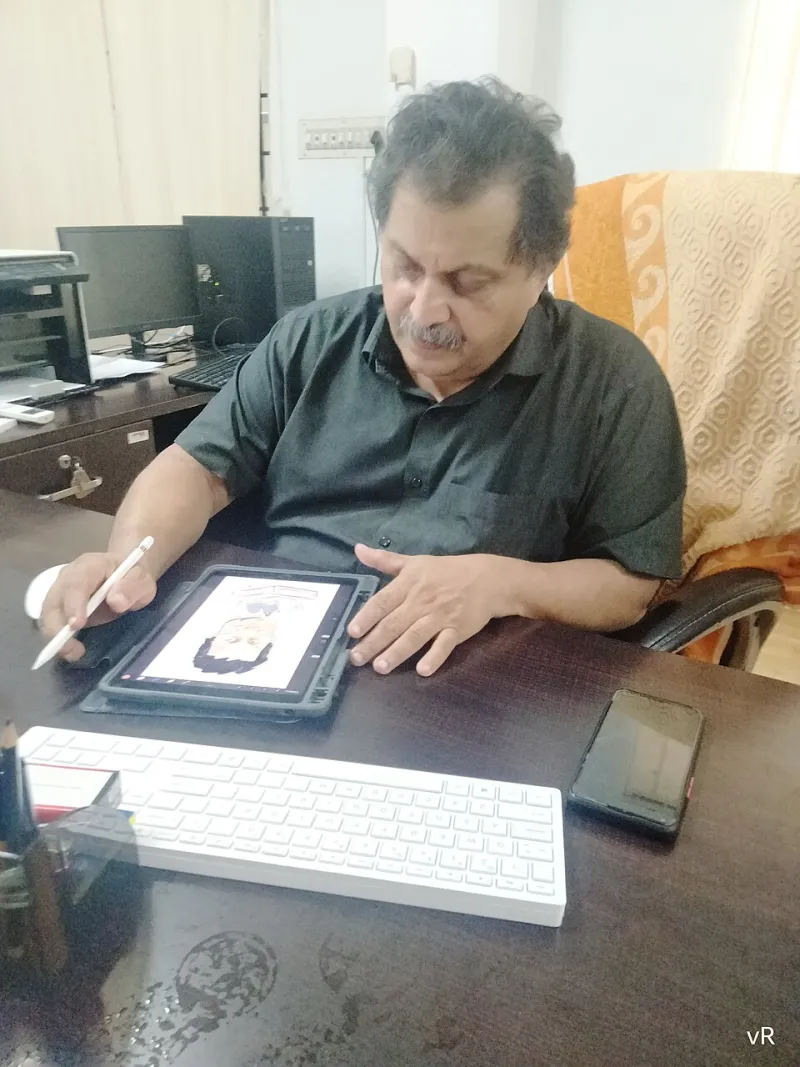
Photo: Vijayanrajapuram, CC BY-SA 4.0, via Wikimedia Commons
You know the feeling. You find a new indie comic — sharp art, a killer premise, characters that feel like they were built specifically for you. You devour the first few issues, you tell your friends, you bookmark the creator's social pages. And then you wait. And wait. And wait some more. Until one day it clicks: this thing isn't coming back. The story you were invested in just stopped existing.
It's one of the most common — and quietly devastating — experiences in indie comics fandom. And it's not random. There's a pattern here, and it's worth understanding if you're a reader who's been burned before, or a creator who's terrified of becoming that cautionary tale.
The Launch High Is Real — and It Doesn't Last
Here's what nobody talks about enough at conventions and in creator panels: launching a comic feels incredible. There's momentum, there's community response, there's the dopamine hit of seeing your pages out in the world. A lot of creators describe their debut issues as the most energized they've ever felt.
But that energy is borrowed. It's front-loaded. Once the launch buzz fades and the actual grind of sustained production kicks in — scripting issue four, inking while holding down a day job, managing reader expectations on social media — the emotional math changes completely. What felt like creative freedom starts feeling like a second job you gave yourself without benefits or a salary.
Burnout doesn't announce itself. It creeps in through missed deadlines that become habits, through the pages that sit half-finished on a drawing tablet for weeks, through the creator who starts every morning intending to work and ends every evening having done everything except that.
Life Doesn't Pause for Your Story Arc
The indie comics graveyard is full of series that didn't die from lack of talent or ambition — they died because life happened. A creator got a new job. A family member got sick. A relationship ended. A mental health crisis hit. Real, serious, human stuff.
And here's the uncomfortable truth: most indie creators are working without safety nets. There's no editorial team carrying the weight when one person can't. There's no HR department offering leave. There's just the creator, their story, and whatever time and energy they can carve out from the rest of their actual existence.
This isn't a character flaw. It's a structural reality of independent publishing. But it does mean that creators who survive the long haul tend to be the ones who planned for disruption — not the ones who assumed their motivation would stay constant.
The Momentum Problem Nobody Warned You About
There's another killer that's less dramatic than burnout but just as lethal: lost momentum. A gap between issues — even a reasonable one — can be enough to scatter a readership. Readers move on. Algorithms stop surfacing your work. The community you built around your launch starts feeling like a memory.
When creators come back from a hiatus and find a smaller, quieter audience than the one they left, a lot of them quietly decide not to come back at all. Why restart the engine when the crowd has thinned? It's a brutal calculation, but it's one that kills more series than burnout does.
The creators who break this cycle are the ones who treat communication as part of the job. A short post saying "still here, still working, here's a rough sketch" does more to hold a readership than silence followed by a finished issue. Readers are surprisingly forgiving — they just need to know they haven't been forgotten.
What the Survivors Actually Do Differently
Talk to indie creators who've maintained consistent output over years — not the overnight success stories, but the ones quietly dropping quality issues on a schedule — and a few patterns start to emerge.
They build buffer before they launch. The creators still standing tend to have had multiple issues completed before their first one ever hit the public. They launched with runway. They weren't writing issue two while readers were finishing issue one.
They design for their real life, not their ideal life. The most durable production schedules are built around what a creator can actually sustain during a hard week, not what they can accomplish during their best one. If your ideal schedule requires everything to go perfectly, it's not a schedule — it's a wish.
They find accountability outside their own heads. Whether it's a creative partner, a small Discord community, or a monthly check-in with another creator they respect, the ones who finish things tend to have some external structure keeping them honest. Isolation is where projects go to quietly die.
They give themselves permission to evolve. Some of the most successful long-running indie series have changed format, shifted tone, or restructured their release schedule at least once. The creators who survive aren't the ones who never adjust — they're the ones who adjust without quitting.
Finishing Is the Competitive Advantage Nobody's Talking About
Here's the thing about the indie market right now: it's flooded with beginnings. First issues, pilot chapters, origin stories — they're everywhere. What's genuinely rare, and genuinely valuable, is a creator who finishes what they started.
In a landscape where readers have been let down so many times they've started treating new indie launches with skepticism, completion is a flex. A completed arc, a finished graphic novel, a series that actually reached its conclusion — these aren't just creative achievements. They're trust-builders. They're the thing that turns a casual reader into a lifelong fan who pre-orders everything you ever make.
The indie creators who are building real, lasting careers aren't necessarily the most talented or the most viral. They're the most reliable. They showed up. They finished the story. In an industry full of false starts, that's not a small thing — it's almost everything.
The Story Deserves to Exist
If you're a creator sitting on an unfinished series right now, this isn't a guilt trip. Life is complicated, and nobody who's never made an independent comic gets to judge the ones who've tried. But if there's still a story in you that wants to be told — if those characters are still alive somewhere in your head — it might be worth asking what it would actually take to finish it. Not the ideal version. The real version. The one that fits inside your actual life.
Readers will come back for that. They've been waiting.
And for the fans out there who've been burned by abandoned series one too many times — we see you. Your loyalty matters. And the creators who understand that are the ones building something worth following.